
Megawatt-scale power, committed in stages.
Open-access solar delivers contracted power through the grid at 25–30% below your landed tariff, under long-term agreements. The technology is settled. The hard part is execution: land, grid, approvals, offtake and construction, run as one programme. That is the part we own.
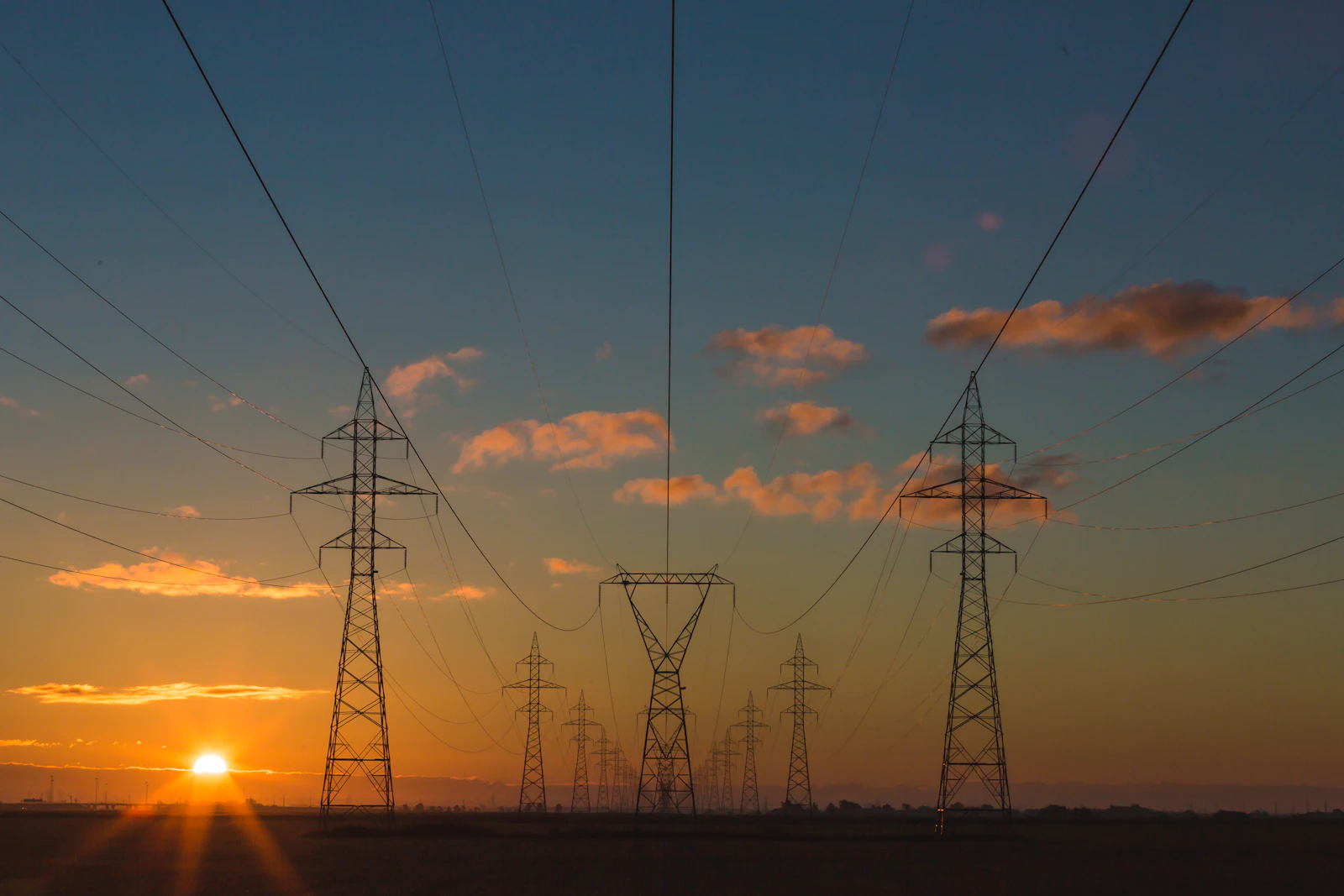
The gap between permitted and operating
India does not lack solar demand or solar policy. It lacks execution. Tens of gigawatts of permitted renewable capacity sit stranded behind grid bottlenecks, land disputes and state-by-state open-access rules. The distance between a permitted project and an operating asset is local, procedural and unforgiving — and it is exactly where a local, accountable developer earns its keep.
- Land title diligence and lease structuring done before commitments are made
- Grid connectivity and evacuation feasibility confirmed early, in writing
- Open-access permissions, banking and scheduling handled per state rules
- One party answerable for the outcome, from site selection to grid sync

Nothing irreversible until each gate clears
Large projects fail when capital moves faster than certainty. Ours doesn't. Commitments are released in stages, and any gate can stop the project before serious money is at risk.
- Gate 1 — State and site
- State selected on open-access policy and charges; land identified; substation capacity and offtaker interest screened. Cost at risk: a study.
- Gate 2 — Land and grid
- Land secured under LOI or lease with clean title; grid feasibility confirmed by the utility. Still no construction commitment.
- Gate 3 — Offtake, EPC and finance
- PPA term sheet signed with a creditworthy buyer; EPC pricing fixed; debt terms agreed. Only now does the project earn a final investment decision.
- Gate 4 — Build and operate
- Construction, grid synchronisation and commercial operation, followed by SCADA-monitored operations under long-term performance management.
From screening to commercial operation
A realistic clock: roughly 90 days of diligence to bankability, and 9–15 months to commercial operation. We publish the schedule and report against it.
State and site screening
Policy, charges, grid availability and offtaker landscape compared across candidate states before any land conversation begins.
Land and grid pathway
Title review, lease structuring, substation studies and evacuation approvals — the unglamorous work that decides whether a project is real.
Offtake and commercial structuring
PPAs or group-captive arrangements with creditworthy buyers, on tariffs and tenures that project finance will accept.
Construction
Built with our renewable-engineering partners under strict quality control, with milestones and field work governed in ONAQT.
Commissioning and operations
Grid synchronisation, testing, commercial operation — then decades of SCADA monitoring, preventive maintenance and performance reporting.
The habits of an infrastructure company
We came to solar from twenty years of building telecom and EV infrastructure that had to work on day one and keep working. Those habits carry over.
The India ground game
Since 2005 we have deployed and operated distributed infrastructure in exactly the places solar farms get built. Local execution is not a line in our deck; it is the company.
Process is the moat
Anyone can buy modules. The defensible work is DISCOM approvals, ALMM compliance, open-access paperwork and 25-year performance. That is the work we have organised the company around.
Governance a partner can audit
ONAQT gives investors and offtakers a live, time-stamped record of field execution. Trust is good; an audit trail is better.
Start with a state and site screen.
If your facilities draw megawatt-scale power, open-access solar is likely the largest cost reduction available to you. The first step is a screening study — bounded cost, clear output, no further obligation.
Discuss a screening studyWhat happens next:a 30-minute call, no obligation. Bring your last 12 months of electricity bills if you have them. We reply to every enquiry within one working day — or call us on +91 774-300-8365.